

How To Choose A Cargo Truck?
Selecting the right cargo truck is a critical decision for businesses of all sizes, directly impacting operational efficiency, transportation costs, and long-term profitability. Whether you're a small logistics startup or a large fleet manager, aligning your truck choice with your specific cargo needs, route conditions, and budget is essential. Below are the core factors to guide your selection process, with practical insights to avoid costly mismatches.
Assess Your Cargo Specifications
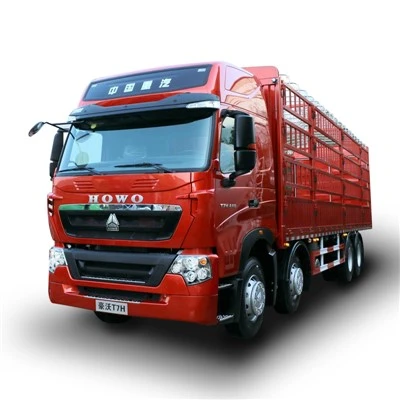
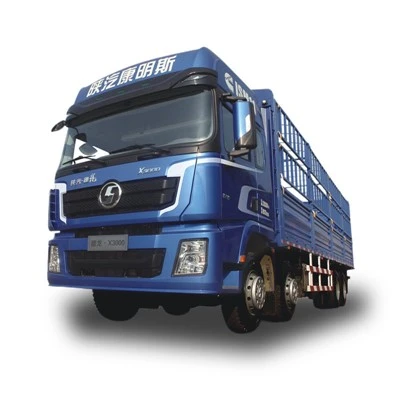
The first step in choosing a cargo truck is defining your cargo's key details, as this dictates the truck's core design. Start with load capacity-calculate the average and maximum weight of your shipments to avoid overloading or investing in an oversized vehicle that wastes fuel. Consider cargo dimensions too: irregularly shaped, tall, or wide goods may require a flatbed, box truck, or refrigerated unit instead of a standard cargo van. For temperature-sensitive items like food or pharmaceuticals, a refrigerated cargo truck with adjustable climate control is non-negotiable, while dry goods work well with a sealed box truck for protection against the elements.
Evaluate Route and Terrain Conditions
Your regular transportation routes play a pivotal role in truck selection. For urban deliveries with narrow streets, tight parking, and frequent stops, a compact, maneuverable light-duty cargo truck is ideal for agility and fuel efficiency. If your routes include rural roads, steep hills, or unpaved terrain, opt for a medium or heavy-duty truck with a robust suspension, four-wheel drive, and high ground clearance to handle rough conditions. Highway long-haul transportation demands a heavy-duty truck with a powerful engine, comfortable cab, and excellent fuel economy to minimize downtime and operational costs on extended trips.
Match Truck Type to Business Scale
Align the truck's size and capacity with your business's current and future needs to avoid underinvestment or overspending. Light-duty trucks (up to 10,000 lbs GVWR) are perfect for small-scale local deliveries, e-commerce fulfillment, and small business operations, offering low maintenance and fuel costs. Medium-duty trucks (10,000–26,000 lbs GVWR) strike a balance for regional shipping, handling larger loads while remaining flexible for mixed route types. Heavy-duty trucks (over 26,000 lbs GVWR) are designed for long-haul, high-volume cargo transport, ideal for large fleets and national logistics networks. If your business is growing, choose a truck that can accommodate increased load volumes to avoid early replacement.
Factor in Operational Costs and Reliability
Beyond the upfront purchase price, calculate the total cost of ownership (TCO)-a key metric for long-term profitability. Consider fuel efficiency (diesel vs. gas vs. electric options), maintenance costs, insurance premiums, and repair accessibility. Opt for reputable brands with a strong track record of reliability and a widespread service network, as this minimizes downtime for repairs. For budget-conscious buyers, well-maintained used trucks can be a cost-effective option, but ensure a full mechanical inspection to avoid hidden issues.
Final Note
Choosing the right cargo truck boils down to balancing your immediate cargo needs with your long-term business goals. By prioritizing cargo specs, route conditions, business scale, and TCO, you can select a vehicle that boosts operational efficiency, reduces costs, and supports sustainable growth for your transportation business.


