

What is the average height of a cargo truck?
The average height of a cargo truck can vary significantly depending on various factors such as the type of truck, its intended use, and the design specifications. As a leading cargo truck supplier, we understand the importance of these details for our customers, whether they are involved in local deliveries, long - haul transportation, or specialized freight services.
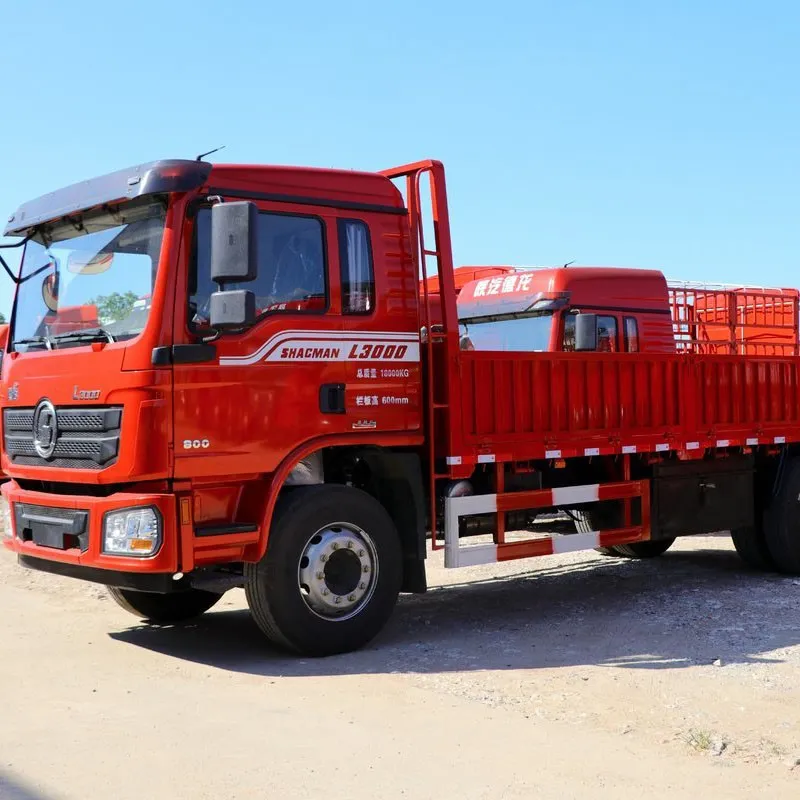

Factors Affecting the Height of Cargo Trucks
-
Type of Cargo Truck
- Light - Duty Trucks: These are often used for local deliveries and smaller loads. They typically have a lower height, usually ranging from about 2.5 to 3 meters. Light - duty trucks are designed to be more maneuverable in urban areas, and their lower height allows them to easily pass under bridges and through tunnels with standard clearances. For example, some of the smaller box trucks used for grocery or package deliveries fall into this category.
- Medium - Duty Trucks: With a greater load - carrying capacity than light - duty trucks, medium - duty trucks usually have a height in the range of 3 to 3.5 meters. These trucks are commonly used for regional transportation, such as delivering goods between cities or serving as service vehicles for industries like construction or utility. Their height is a balance between providing enough cargo space and being able to navigate through different road conditions.
- Heavy - Duty Trucks: These are the workhorses of the transportation industry, used for long - haul and heavy - load transportation. Heavy - duty trucks can have a height ranging from 3.5 to 4.5 meters or even higher in some cases. They are designed to carry large volumes of cargo, such as shipping containers or bulk materials. The taller height allows for greater cargo capacity, but it also requires careful consideration of road clearances and regulations.
-
Cargo Body Design
- Open - Bed Trucks: Trucks with open - bed designs, like flatbeds, may have a lower overall height compared to trucks with enclosed cargo bodies. This is because there is no need for a roof structure. The height of a flatbed truck is mainly determined by the height of the chassis and the load on it. On average, an empty flatbed truck may have a height of around 2.8 to 3.2 meters.
- Enclosed Cargo Vans: Enclosed cargo vans are designed to protect the cargo from the elements. Their height is determined by the size of the cargo space needed. Smaller enclosed vans may be around 2.5 to 3 meters tall, while larger ones can reach up to 3.5 meters or more.
- Refrigerated Trucks: Refrigerated trucks, also known as reefers, have an additional insulation layer and refrigeration unit on top of the cargo body. This can increase their height by about 0.2 to 0.5 meters compared to non - refrigerated trucks of similar size. So, a medium - sized refrigerated truck may have a height of around 3.2 to 3.7 meters.
-
Axle Configuration
- Trucks with More Axles: Trucks with multiple axles, such as 6x4 or 8x4 configurations, often have a higher chassis to accommodate the additional axles and the associated suspension systems. This can result in a slightly higher overall height. For example, a Howo N7w 8x4 Cargo Truck with its robust axle setup may have a height that is towards the upper end of the heavy - duty truck range, typically around 4 to 4.5 meters.
Average Heights of Popular Cargo Trucks in Our Inventory
- Shacman L3000 Cargo Truck
- The Shacman L3000 Cargo Truck is a well - known medium - duty truck. It has an average height of approximately 3.3 meters. This height makes it suitable for a wide range of applications, from local distribution to regional hauling. Its design strikes a good balance between cargo capacity and maneuverability, allowing it to operate efficiently in different road and traffic conditions.
- Shacman X3000 Cargo Truck
- The Shacman X3000 Cargo Truck is a heavy - duty truck. It stands at an average height of around 4 meters. With its powerful engine and large cargo space, it is ideal for long - distance transportation of heavy loads. The height of the Shacman X3000 is designed to provide maximum cargo volume while still complying with road regulations.
Importance of Knowing the Average Height
- Route Planning
- When planning a delivery route, knowing the height of the cargo truck is crucial. Low - clearance areas, such as underpasses, bridges, and some parking garages, need to be carefully considered. If a truck is too tall to pass through a certain area, it can lead to delays, damage to the truck and cargo, and potential safety hazards. For example, a truck that is 4 meters tall cannot pass under a bridge with a clearance of 3.5 meters.
- Cargo Loading
- Understanding the height of the truck also helps in proper cargo loading. Overloading the truck in terms of height can not only make it unstable but also violate road safety regulations. By knowing the maximum height limit of the truck, shippers can ensure that the cargo is loaded evenly and within the legal height restrictions.
- Warehouse and Storage
- In warehouses and storage facilities, the height of the cargo truck matters. Trucks need to be able to enter and exit the facilities without hitting the ceilings or other structures. Warehouses are often designed with specific height clearances, and trucks must be compatible with these dimensions for efficient loading and unloading operations.
Compliance with Regulations
In most countries, there are strict regulations regarding the maximum height of cargo trucks. These regulations are in place to ensure the safety of the truck, the cargo, and other road users. For example, in the United States, the maximum height for most trucks on federal highways is 13.5 feet (about 4.11 meters), although some states may have slightly different limits. In Europe, the maximum height for trucks is generally 4 meters, with some exceptions for special - purpose vehicles.
As a cargo truck supplier, we ensure that all our trucks comply with the relevant regulations in different regions. We provide detailed specifications to our customers so that they can make informed decisions about their truck purchases and operations.
Conclusion
The average height of a cargo truck is a complex characteristic that is influenced by many factors. Whether you are a logistics company looking to expand your fleet, a small business owner in need of a reliable delivery truck, or an individual involved in the transportation industry, understanding the height of cargo trucks is essential for efficient and safe operations.
At our company, we offer a wide range of cargo trucks, including the Shacman L3000 Cargo Truck, Shacman X3000 Cargo Truck, and Howo N7w 8x4 Cargo Truck. Our team of experts can help you choose the right truck based on your specific requirements, including the height needed for your operations. If you are interested in purchasing a cargo truck or have any questions about our products, please do not hesitate to contact us for a detailed discussion and procurement negotiation.
References
- Federal Highway Administration, United States Department of Transportation. "Height Restrictions on Federal - Aid Highways."
- European Union Road Transport Regulations Handbook.