

Do special trucks have better suspension systems?
Special trucks, often tailored to specific and demanding tasks, play a crucial role in various industries. One of the key components that significantly impacts their performance is the suspension system. In this blog, as a special truck supplier, I'll explore whether special trucks truly have better suspension systems and the implications of these systems on the overall functionality of these vehicles.
The Importance of Suspension Systems in Trucks
Before delving into the comparison of suspension systems in special trucks, it's essential to understand the fundamental role of a suspension system in any truck. The suspension system serves multiple purposes. Firstly, it provides a smooth ride by absorbing shocks and vibrations from the road surface. This not only enhances the comfort of the driver but also protects the truck's components from excessive wear and tear. Secondly, it maintains the contact between the tires and the road, ensuring optimal traction and stability. This is crucial for safe driving, especially when carrying heavy loads or operating in challenging conditions.
In a regular truck, the suspension system is designed to meet general transportation needs. It is engineered to handle a wide range of road conditions and loads. However, special trucks are built for specific tasks, and their suspension systems are often customized to meet the unique requirements of these tasks.
Special Trucks and Their Diverse Applications
Special trucks come in various types, each designed for a particular purpose. For example, Dump Semi Trailer are used to transport and unload bulk materials such as sand, gravel, and construction debris. These trucks need to be able to handle heavy loads and frequent dumping operations. The suspension system of a dump semi - trailer must be robust enough to support the weight of the load during transportation and also withstand the forces generated during the dumping process.
Lowbed Cargo Semi Trailer are designed to carry oversized and heavy equipment, such as construction machinery and industrial components. The low - bed design allows for a lower center of gravity, which is beneficial for stability. However, the suspension system of a lowbed cargo semi - trailer needs to be highly flexible to accommodate the irregular shapes and weights of the cargo, as well as to navigate uneven terrain.
Howo 20 Cubic Meter 6*4 Sewage Suction Truck are used for the collection and transportation of sewage and other liquid waste. These trucks often operate in urban areas with tight spaces and uneven roads. The suspension system of a sewage suction truck should be designed to provide a smooth ride to prevent spillage of the liquid cargo and also to ensure the durability of the truck's components in a corrosive environment.
Features of Suspension Systems in Special Trucks
-
Heavy - Duty Components
Special trucks typically have suspension systems with heavy - duty components. The springs, shock absorbers, and axles are often larger and stronger than those in regular trucks. For example, in a dump semi - trailer, the leaf springs may be thicker and have more leaves to support the heavy load. The shock absorbers are designed to handle the high - frequency vibrations and sudden impacts associated with the dumping process. -
Customization for Specific Tasks
As mentioned earlier, the suspension systems of special trucks are customized for their specific applications. For a lowbed cargo semi - trailer, the suspension may be designed to have a greater range of motion to allow for the loading and unloading of oversized equipment. The shock absorbers may be adjustable to fine - tune the ride quality based on the weight and type of cargo. -
Enhanced Stability and Traction
In special trucks, the suspension system is optimized to provide enhanced stability and traction. This is particularly important for trucks that operate in challenging conditions, such as off - road or in adverse weather. For example, in a sewage suction truck, the suspension system helps to keep the tires in contact with the road, reducing the risk of skidding and ensuring safe operation in wet and slippery conditions.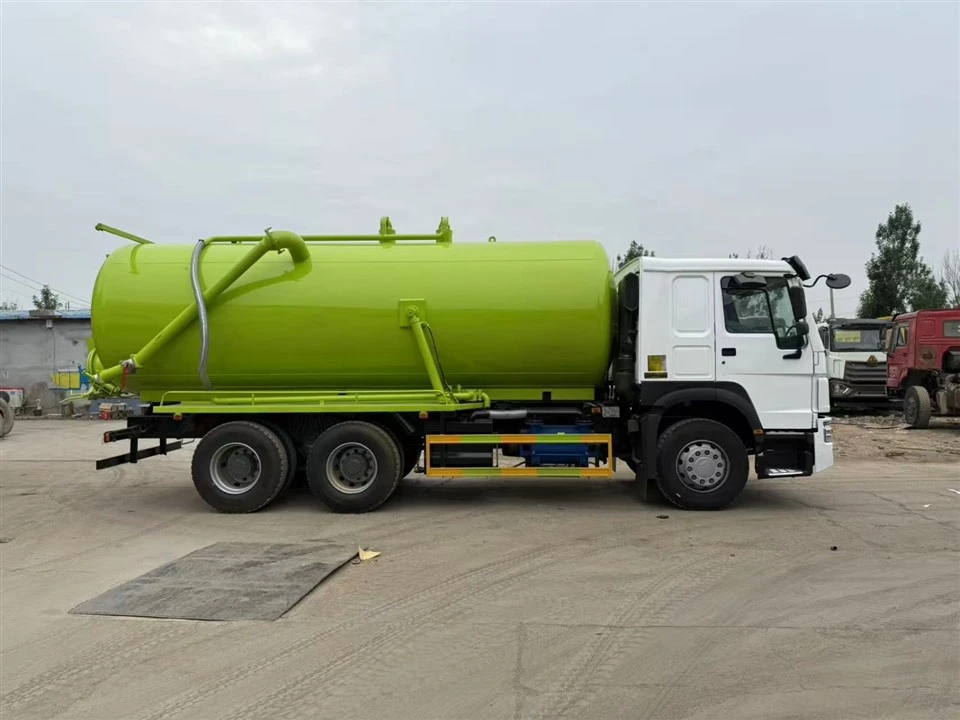

Comparison with Regular Trucks
When compared to regular trucks, special trucks generally have better - engineered suspension systems. Regular trucks are designed for a more general use case, and their suspension systems are a compromise between cost, performance, and durability. Special trucks, on the other hand, can afford to have more advanced and expensive suspension systems because the benefits of these systems outweigh the costs in terms of improved performance and reliability.
However, it's important to note that not all special trucks have "better" suspension systems in an absolute sense. The term "better" depends on the specific requirements of the task. A regular truck may have a perfectly adequate suspension system for its intended use, while a special truck's suspension system is optimized for a particular niche application.
Maintenance and Long - Term Performance
The advanced suspension systems in special trucks require proper maintenance to ensure their long - term performance. Regular inspections, lubrication, and replacement of worn components are essential. Special trucks often operate under more demanding conditions than regular trucks, which can put additional stress on the suspension system. Therefore, it's crucial for operators to follow the manufacturer's maintenance guidelines to prevent premature failure of the suspension components.
The Impact on the Overall Trucking Industry
The use of advanced suspension systems in special trucks has a positive impact on the overall trucking industry. It improves the efficiency and safety of operations, reduces downtime due to maintenance and repairs, and enhances the quality of service provided by trucking companies. For example, a dump semi - trailer with a well - designed suspension system can carry more loads in a shorter period, increasing the productivity of the construction site.
Conclusion
In conclusion, special trucks often have better - designed suspension systems compared to regular trucks. These systems are customized to meet the unique requirements of specific tasks, providing enhanced performance, stability, and durability. However, the definition of "better" is relative to the application.
If you are in the market for a special truck and are looking for a reliable supplier, I invite you to contact us for a detailed discussion about your needs. Our team of experts can help you select the right special truck with the appropriate suspension system for your specific application. We are committed to providing high - quality products and excellent customer service to ensure your satisfaction.
References
- SAE International. "Truck Suspension System Design and Analysis."
- Society of Automotive Engineers. "Advanced Suspension Technologies for Specialized Trucks."
- International Trucking Association. "Best Practices for Suspension System Maintenance in Special Trucks."